

Packing a lunch for kids can feel like a high-stakes game of culinary roulette. One day they love peanut butter and jelly, and the next, it’s a culinary crime against humanity. But fear not! With a little creativity and some fun ideas, lunchtime can transform from a dreaded chore into an exciting adventure.
Creative Lunchbox Ideas For Kids
Packing a fun lunch can keep kids excited about mealtime. These ideas add creativity and variety to their lunches.
Fun Theme Lunchboxes
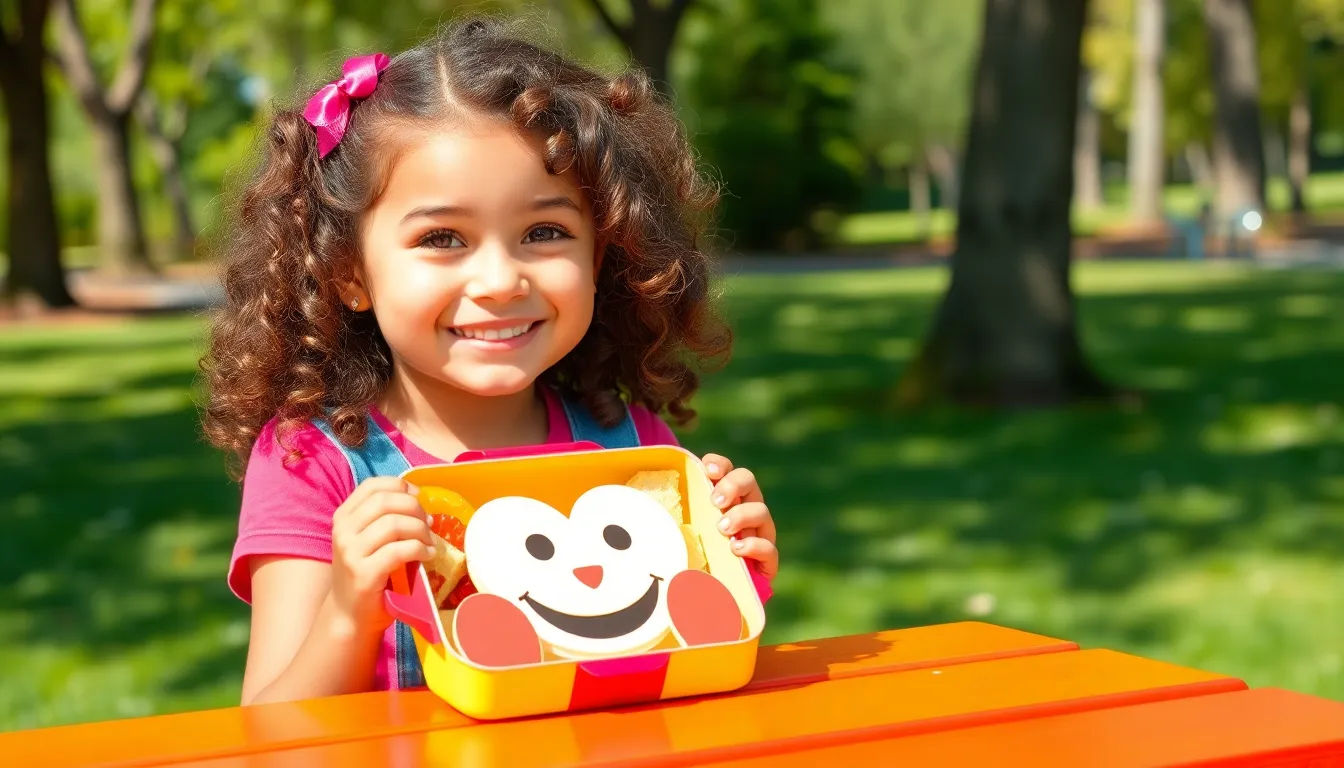
Theme lunchboxes make lunchtime more engaging. A favorite character can inspire a superhero-themed box with sandwiches shaped like capes, fruit cut into star shapes, and a juice box decorated with matching stickers. Emoji themes use smiley face foods like pancakes or rice cakes, paired with colorful veggies. Seasonal themes celebrate holidays, including spooky-shaped sandwiches for Halloween or heart-shaped treats for Valentine’s Day. Using holiday-themed containers adds even more fun.
Easy-to-Make Recipes
Quick recipes simplify lunch prep. For instance, wrap turkey and cheese in a tortilla, slice it into pinwheels, and pack with a side of cucumber sticks. Another idea involves making mini pizzas on English muffins topped with sauce, cheese, and favorite toppings. Hummus and veggie cups deliver a nutritious and colorful option, while yogurt parfaits layer yogurt, granola, and fruit for a tasty delight. Keeping it simple ensures variety without overwhelming parents during busy mornings.
Healthy Lunchbox Alternatives
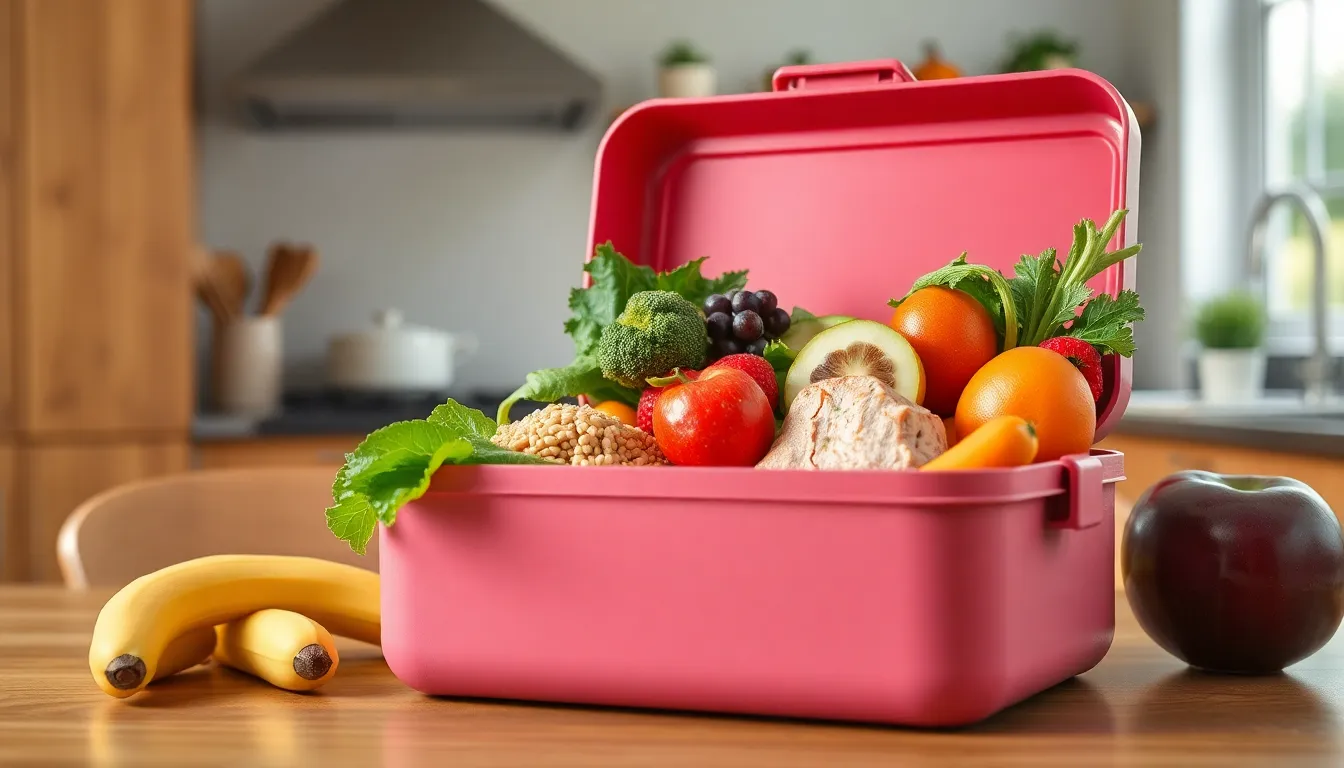
Healthy alternatives provide nutritious options for kids’ lunchboxes. These choices can include a variety of food groups to ensure balanced meals.
Balanced Nutrition Tips
Prioritizing fruits and vegetables in lunchboxes contributes to balanced nutrition. Including colorful options like carrots, bell peppers, or apple slices adds appeal. Incorporating whole grains, such as whole wheat wraps or brown rice, enhances fiber intake. Offering lean proteins, like turkey slices or yogurt, supports growth and energy. Pairing foods increases excitement; mix hummus with veggie sticks or cheese with whole grain crackers. Each lunch can provide essential vitamins and nutrients when carefully planned.
Kid-Friendly Snacks
Opting for healthy snacks engages kids while keeping hunger at bay. Fruit cups or berries provide a sweet yet nutritious treat. Yogurt parfaits with granola offer both creaminess and crunch. Nut butter paired with celery or apple slices serves as a satisfying option. Including items like trail mix keeps things interesting; choose nuts, seeds, and dried fruits. Each snack can contribute to a balanced lunch that kids will love.
Stainless Steel vs. Plastic Lunchboxes
Choosing between stainless steel and plastic lunchboxes impacts both convenience and health. Stainless steel lunchboxes offer durability and longevity. They resist dents, scratches, and corrosion, making them an excellent investment. Stainless options also remain rust-free and often come with airtight seals that keep food fresh.
In contrast, plastic lunchboxes are lightweight and versatile. Many models come in fun colors and designs, appealing to kids’ preferences. They often feature compartments for arranging diverse food items. However, some plastic containers may contain harmful chemicals, such as BPA, that can leach into food.
Weight can vary significantly between the two types. Stainless steel models are generally heavier, which may matter for younger kids carrying their lunch. Consideration for ease of cleaning is essential too. Stainless steel lunchboxes usually require hand washing, while many plastic containers are dishwasher safe for quick cleanup.
Cost differences also play a role when making a choice. Stainless steel lunchboxes typically cost more upfront, but their durability leads to long-term savings. Plastic options often come at a lower price point but may require replacement sooner due to wear and tear.
When selecting lunchboxes, parents should assess specific needs. Think about how keen kids are on designs and colors. Evaluate the importance of materials free from chemicals. Each option carries advantages based on lifestyle, preferences, and dietary requirements.
Tips For Packing A Lunchbox
Packing a lunchbox for kids can be simple and enjoyable with the right strategies. Approaching lunch preparation with planning and creativity reduces stress during busy mornings.
Prep Ahead Strategies
Preparing lunch ingredients ahead of time streamlines the packing process. Parents can dedicate a day to cutting fruits and veggies, making sandwich spreads, or portioning snacks into containers. This allows for easy assembly in the morning. Batch-cooking versatile items like whole grain pasta or grilled chicken provides a quick base for different meals. Storing these ingredients in clear containers ensures visibility, increasing the likelihood of selection. Utilize labels for organized storage, making it easy for kids to choose their favorites independently.
Incorporating Variety
Creating diverse lunch options keeps kids engaged and excited about their meals. Rotating between different proteins, grains, and fruits encourages balanced nutrition. For instance, turkey, chicken, and hummus each offer unique flavors and nutrients. Play around with shapes by using cookie cutters to create fun sandwich forms or utilize colorful containers for an appealing presentation. Adding a surprise element such as a note or sticker provides personal touch. Experimenting with international cuisines—like sushi rolls or tacos—expands kids’ palates and introduces them to global flavors.
Packing a lunchbox for kids doesn’t have to be a daunting task. With a little creativity and planning parents can turn mealtime into an exciting adventure. By incorporating fun themes and nutritious options parents can keep their children’s lunches varied and appealing.
Choosing the right lunchbox material plays a crucial role in maintaining freshness while also considering safety. Whether opting for stainless steel or plastic parents should weigh the pros and cons based on their family’s needs.
Ultimately the goal is to create a balanced and enjoyable lunch that kids look forward to each day. With these ideas and tips parents can transform lunchtime into a delightful experience that fuels their children’s growth and creativity.