

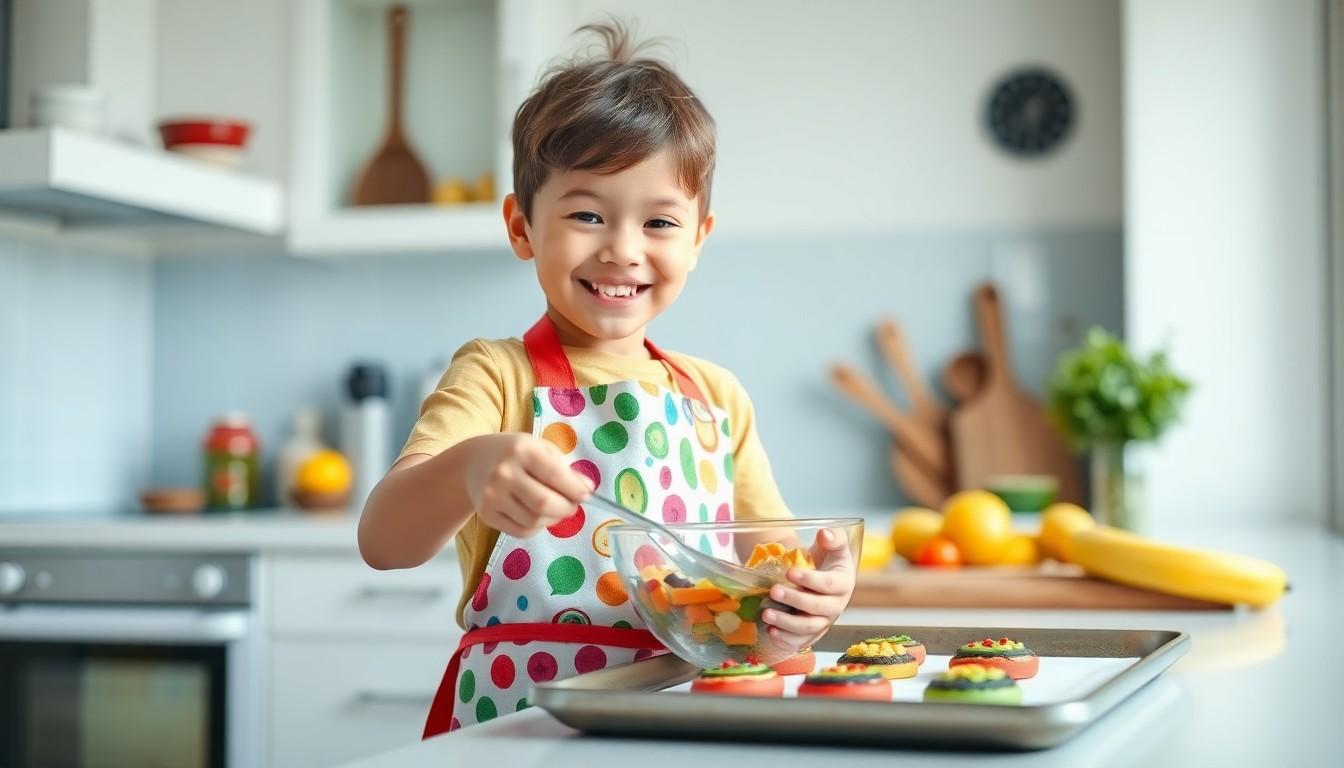
Cooking with kids isn’t just about whipping up a meal; it’s a recipe for fun and learning! Imagine tiny hands mixing, measuring, and making a delightful mess in the kitchen. These cooking activities not only spark creativity but also teach valuable life skills. Who knew that a sprinkle of flour could lead to a dash of confidence?
Benefits of Cooking Activities for Kids
Cooking activities offer numerous advantages for children, including enhancing creativity and building confidence.
Enhancing Creativity
Engaging in cooking encourages children to express their creativity. They experiment with flavors and textures, fostering innovative thinking. Mixing ingredients can lead to unique recipes, inspiring artistic presentation. Children learn to appreciate colors and shapes, enhancing their visual skills. Additionally, trying new cuisines expands their culinary horizons. These activities stimulate imagination as they create dishes that reflect their personality and preferences. Cooking cultivates problem-solving skills when kids encounter challenges in recipes. Overall, creativity flourishes in the kitchen, empowering children to think outside the box.
Building Confidence
Participating in cooking strengthens children’s confidence. Achieving a successful dish provides a sense of accomplishment. They take pride in their creations, which boosts self-esteem. Learning to follow recipes develops a sense of independence and responsibility. As they master basic cooking skills, kids gain trust in their abilities. Encouragement during cooking promotes a positive learning environment, reinforcing their capability to handle tasks. Sharing meals with family and friends amplifies this confidence, as children receive praise for their efforts. Cooking ultimately equips kids with lifelong skills and enhances their overall self-worth.
Easy Cooking Activities for Kids

Engaging kids in cooking activities fosters creativity and reinforces essential skills. Here are two fun categories to explore.
No-Bake Recipes
No-bake recipes offer simplicity and excitement. Recipes such as fruit parfaits or energy bites require minimal ingredients and no heat. Children can layer yogurt, granola, and fruits to create colorful parfaits, enhancing their visual presentation skills. Energy bites, made from oats, peanut butter, and honey, involve rolling ingredients into small balls, allowing kids to measure and mix. No-bake activities promote independence, as kids can experiment with their own flavor combinations, creating unique snacks while gaining confidence in their choices.
Simple Cooking Techniques
Simple cooking techniques are accessible and educational. Techniques such as chopping, mixing, and measuring provide foundational skills. Kids can practice chopping soft fruits like bananas or cucumbers, developing motor skills and hand-eye coordination. Mixing ingredients for a batter introduces them to following instructions and understanding measurements. Each technique enriches their culinary toolkit while allowing them to participate in family meal preparations. Incorporating these skills not only builds competence but also encourages teamwork in the kitchen.
Engaging Cooking Themes
Engaging cooking themes inspire kids and enhance their culinary experiences. These themes create a fun learning environment while exploring diverse flavors and seasonal ingredients.
Around the World Cooking
Around the world cooking exposes children to global cuisines. Kids can prepare dishes from various cultures such as tacos, sushi, and pasta. Recipes from different regions spark curiosity about customs and traditions. Children learn to appreciate multicultural flavors through hands-on experiences. They also practice measuring and mixing ingredients, reinforcing essential cooking skills. Activities can include discussing the origin of each dish, expanding their knowledge of geography alongside culinary arts. Parents can encourage children to choose a country, creating a themed family dinner that highlights their culinary creations.
Seasonal Cooking Projects
Seasonal cooking projects align with fresh, available ingredients throughout the year. Children can create dishes using fruits or vegetables that peak during specific seasons. For instance, summer projects could involve making a strawberry shortcake with freshly picked berries. Seasonal ingredients introduce kids to the concept of sustainability and farm-to-table dining. Autumn offers opportunities to explore baking with apples or pumpkins, while winter can focus on hearty soups. Engaging projects enhance kids’ understanding of nutrition and inspire them to experiment with local produce. Moreover, seasonal cooking supports family bonding as everyone participates in gathering and preparing ingredients together.
Safety Tips for Cooking with Kids
Cooking with kids requires attention to safety to foster a fun and secure environment. Establishing guidelines can help children navigate the kitchen responsibly.
Kitchen Safety Basics
Teach children to handle kitchen tools properly. Use knives suitable for their age and assign them simple tasks like chopping soft fruits or vegetables. Ensure they wear closed-toe shoes for foot protection. Highlight the importance of keeping surfaces clean to avoid cross-contamination. Encourage them to wash their hands before and after handling food. Set clear boundaries around hot surfaces and appliances, explaining the risks associated with burns. Remind kids to always use oven mitts while handling hot pans to prevent accidents.
Supervision and Assistance
Supervise kids closely during cooking activities, especially when using sharp or hot items. Assisting them with measuring and pouring ingredients can make the process safer. Engage older children by allowing them to work independently on easier tasks, while keeping younger ones within sight. Provide guidance when necessary, ensuring they feel comfortable asking questions during the cooking process. Instill patience by reminding them that safety comes first, reinforcing the value of carefulness over speed. Emphasizing teamwork and collaboration promotes positive interactions and builds confidence in their abilities.
Conclusion
Cooking activities for kids offer a wealth of benefits that extend far beyond the kitchen. They nurture creativity and build essential life skills while fostering independence and confidence. By engaging in hands-on experiences, children not only learn about food but also gain a sense of accomplishment.
Incorporating fun themes and simple recipes makes cooking an enjoyable family activity that strengthens bonds. Prioritizing safety ensures that these experiences remain positive and enriching. Ultimately, encouraging kids to explore the culinary world equips them with valuable skills they’ll carry into adulthood, setting the foundation for a lifetime of healthy habits and creativity.