

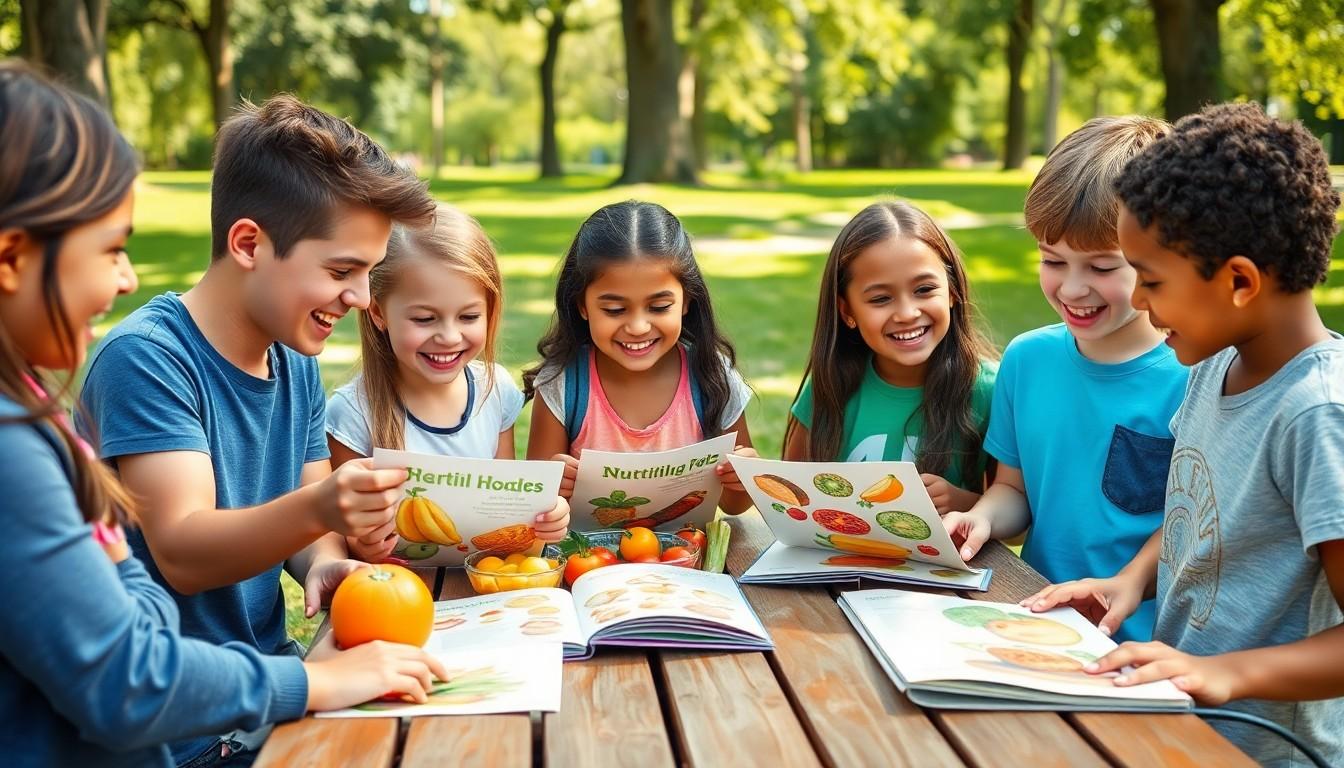
In a world where broccoli battles chocolate and carrots compete with cookies, teaching kids about nutrition can feel like a Herculean task. But fear not! Nutrition books for kids are here to turn mealtime meltdowns into fun learning adventures. Imagine your little ones diving into colorful pages filled with quirky characters and tasty tales that make healthy eating as exciting as a treasure hunt.
Overview of Nutrition Books for Kids
Nutrition books for kids play a vital role in shaping healthy eating habits. They introduce children to the concept of nutrition using vibrant illustrations and relatable stories. Engaging narratives captivate young readers, making it easier to understand the importance of balanced meals.
Many nutrition books incorporate fun activities, empowering kids to explore food choices. Interactive elements such as quizzes or recipes encourage hands-on learning. These books often contain information on fruits, vegetables, grains, and proteins, helping kids identify healthy food groups.
Authors recognize the importance of making nutrition relatable for children. By using characters that kids can connect with, the stories often emphasize the benefits of healthy eating. Learning about nutrition in these contexts fosters a positive attitude towards food.
Educators and parents often highlight the importance of age-appropriate language in these books. Simplified terminology ensures kids grasp the concepts easily. Repeated exposure to nutrition principles in an enjoyable format reinforces the information they learn.
Popular titles frequently feature themes such as cooking, gardening, or family meals. These topics resonate with children, creating shared experiences around food preparation and consumption. They inspire curiosity about where food comes from and its role in health.
Nutrition books for kids transform learning by making it playful and engaging. Focused content encourages children to develop lifelong healthy eating habits in a fun and informative way.
Importance of Nutrition Education

Nutrition education plays a crucial role in shaping children’s understanding of food. Knowledge about nutrition equips kids to make informed food choices.
Benefits of Teaching Kids About Nutrition
Teaching kids about nutrition offers numerous benefits. Improved understanding of healthy food options leads to better eating habits. Engaging with nutrition through books helps make complex concepts more relatable. Kids become more likely to recognize nutritious foods and feel empowered to make healthier choices. Fostering positive attitudes toward food early on can counteract unhealthy eating patterns. Encouraging curiosity about food can inspire kids to explore cooking and meal preparation. Interactive elements in nutrition books often enhance enjoyment, making learning enjoyable and memorable.
Impact on Lifelong Healthy Habits
Education about nutrition significantly influences lifelong healthy habits. Kids who learn about balanced meals often maintain healthier diets into adulthood. By establishing a strong foundation in nutrition, they develop critical skills in making food choices. Understanding the consequences of their dietary decisions equips them to navigate food environments better. Positive experiences with healthy foods typically increase the likelihood of continued healthy eating. Nutrition education promotes self-care through wellness, emphasizing the connection between diet and overall health. These early lessons can create lasting patterns that foster lifelong commitment to a balanced lifestyle.
Top Nutrition Books for Kids
Nutrition books for kids provide invaluable resources for learning about healthy eating. These books blend education with fun, making it easier for children to grasp essential concepts.
Age-Appropriate Recommendations
Selecting age-appropriate nutrition books ensures children understand key concepts. Picture books cater to toddlers, featuring simple text and colorful images. As kids grow, interactive books introduce quizzes and fun facts that make learning enjoyable. Middle-grade readers benefit from books that explore recipes and nutrition science. Recommendations often target specific age ranges, such as 3-5 years or 6-8 years, helping parents choose suitable options. A few notable titles include “Eating the Alphabet” by Lois Ehlert and “The Berenstain Bears Think of Those Who Love Them” by Jan Berenstain. These selections engage children’s interest while bolstering their understanding of nutrition.
Engaging Illustrations and Content
Engaging illustrations capture children’s attention and enhance their learning experience. Vibrant cartoons and playful images make complex nutrition concepts accessible. Books that include real-life scenarios encourage kids to relate to healthy eating. Interactive elements like stickers or puzzles foster hands-on learning, reinforcing nutrition lessons. For instance, “The Very Hungry Caterpillar” by Eric Carle introduces the idea of food variety in a fun, relatable way. Engaging storytelling alongside colorful visuals draws children into the subject matter. Overall, high-quality illustrations create an inviting atmosphere that makes exploring nutrition an enjoyable adventure.
Themes in Nutrition Books for Kids
Nutrition books for kids explore various themes that make learning about healthy food enjoyable and relatable.
Healthy Eating Habits
Healthy eating habits emerge through engaging stories and relatable characters. Nutrition books often showcase exciting adventures that emphasize balanced meals. Children discover the importance of fruits, vegetables, and whole grains. Parents and educators find these narratives encourage kids to try new foods. Interactive elements, such as games and challenges, motivate kids to make better food choices. Stories that involve characters facing food-related decisions resonate with young readers. By portraying the journey toward healthier choices, these books empower children to develop lifelong habits.
Understanding Food Groups
Understanding food groups comes to life in children’s nutrition literature. Books introduce the five main food groups: fruits, vegetables, grains, protein, and dairy. Colorful visuals depict diverse foods, making these concepts accessible. Kids learn how each group contributes to their overall health. Authors often include fun facts that spark curiosity about where foods come from. As children explore these materials, they grasp the importance of variety in their diets. Engaging quizzes reinforce their knowledge of food groups in entertaining ways.
Fun Cooking Activities
Fun cooking activities enhance the learning experience surrounding nutrition. Many books feature kid-friendly recipes that inspire young chefs to get involved in the kitchen. Cooking fosters creativity as children experiment with flavors and ingredients. Step-by-step guides make preparing healthy meals approachable. The joy of making food together creates cherished family memories. Books that incorporate cooking challenges encourage teamwork and collaboration. Through these activities, kids develop confidence in their culinary skills, nurturing a passion for healthy eating.
Tips for Parents and Educators
Parents and educators play crucial roles in promoting nutrition education. Incorporating the right strategies enhances children’s learning experiences.
Encouraging Reading Together
Sharing nutrition books creates bonds while fostering healthy habits. Reading together provides opportunities for discussions about food choices. Engage children by asking questions related to the story to spark curiosity. Encourage kids to share their thoughts on characters and their eating habits. Make storytime interactive by acting out scenes or creating fun dialogues. These activities help reinforce the concepts of balanced meals and nutrition. Using age-appropriate titles ensures that children comprehend essential ideas while enjoying the process.
Integrating Lessons into Daily Life
Bringing nutrition lessons into everyday routines enhances understanding. Incorporate nutrition discussions during grocery shopping to highlight food choices. Involve children in meal preparation to reinforce the importance of balanced eating. Cooking together makes lessons tangible and fun. Use recipes from their favorite books to inspire creativity in the kitchen. Explore local farmers’ markets to teach kids about fresh produce and its benefits. Regularly mention nutritional values at mealtime to create awareness. Connecting these lessons with real-life scenarios solidifies their knowledge and fuels curiosity about healthy foods.
Conclusion
Nutrition books for kids serve as essential tools in fostering a positive relationship with food. By transforming complex concepts into engaging stories and colorful visuals, these books make healthy eating accessible and enjoyable. When children connect with relatable characters and interactive elements, they’re more likely to embrace balanced meals and develop lifelong healthy habits.
Parents and educators play a crucial role in this journey by reading together and integrating lessons into daily life. This collaborative approach not only reinforces the importance of nutrition but also cultivates curiosity about food choices. Investing time in nutrition education today will empower children to make informed decisions about their diets in the future, ultimately laying the groundwork for a healthier generation.