

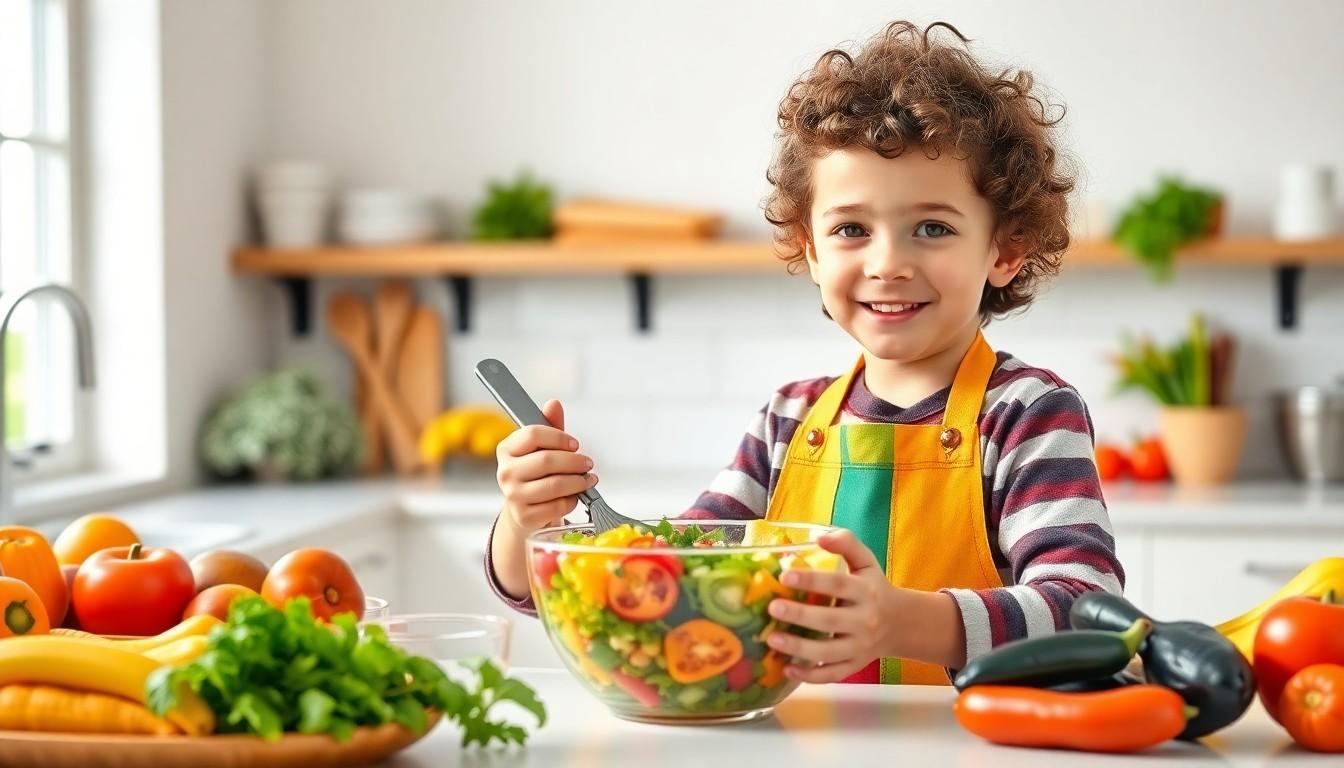
Imagine a world where your little chef whips up gourmet meals instead of just cereal and toast. Kids cooking classes are popping up everywhere, turning tiny hands into culinary wizards. Not only do these classes teach essential kitchen skills, but they also sprinkle in a dash of fun and a pinch of creativity.
Benefits Of Kids Cooking Classes
Kids cooking classes offer numerous advantages that extend beyond the kitchen. These programs foster essential life skills while encouraging fun and creativity.
Skill Development
Cooking classes enhance essential skills in children, from basic techniques to advanced culinary arts. They learn to measure ingredients accurately, which sharpens math skills. Following recipes aids in reading comprehension, fostering literacy. Kids also develop time management skills, as they balance preparation and cooking times. Working with peers builds teamwork abilities and social skills, encouraging communication and collaboration. Engaging in hands-on activities boosts fine motor skills, which are important for other tasks. Exposure to various ingredients introduces diverse flavors and cultures, promoting global awareness.
Healthy Eating Habits
Cooking classes instill the importance of healthy eating early on. Children gain firsthand knowledge about fresh ingredients, reinforcing nutrition education. Experiencing the process of preparing meals encourages kids to make healthier choices. They discover new vegetables and fruits, which can expand their palate. Understanding portion sizes helps them develop mindful eating habits. Preparing meals at home offers a chance to avoid processed foods and sugary snacks. Kids also learn about meal planning and the significance of balanced diets, equipping them with the tools to make informed dietary decisions in the future.
Choosing The Right Class
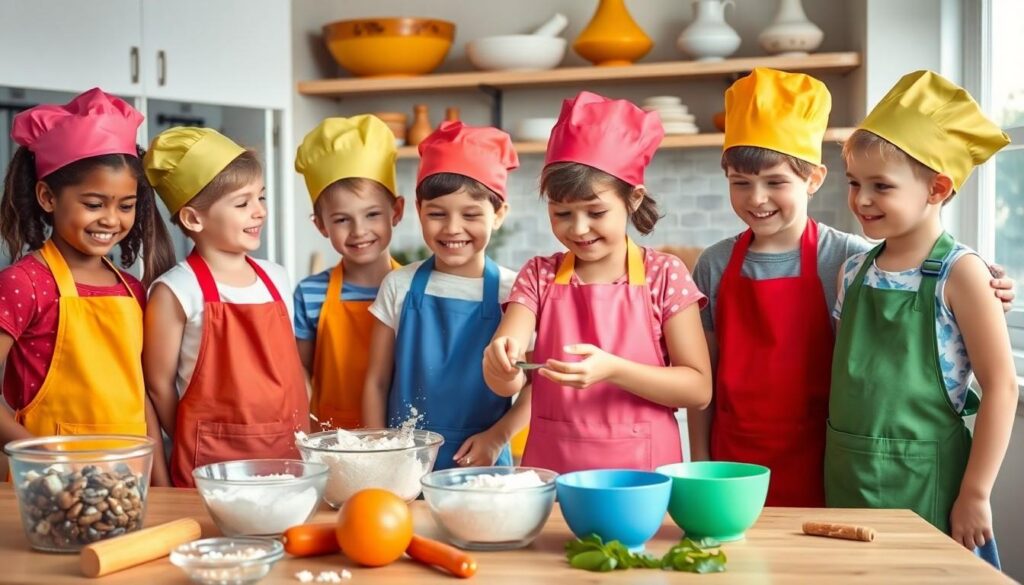
Selecting the appropriate cooking class for kids involves considering several important factors. Each element contributes to a positive learning experience.
Age Appropriateness
Age suitability plays a crucial role in class selection. Look for classes that cater to specific age groups, ensuring content aligns with their developmental levels. Classes designed for younger children focus on basic skills like mixing and measuring. Older students often engage in more complex tasks like knife skills and recipe creation. Check the age range listed by the cooking school for guidance, as it often reflects the curriculum intended for different maturity levels.
Class Size And Environment
Class size directly impacts the learning experience. Smaller classes provide more one-on-one attention, enhancing participation and interaction. Look for an environment that promotes hands-on learning. An engaging atmosphere encourages creativity and collaboration among students. Check the teacher-to-student ratio, aiming for a lower number for better outcomes. Class settings that are well-organized and stocked with tools foster a productive atmosphere, making the cooking experience more enjoyable for everyone involved.
What To Expect In A Kids Cooking Class
Kids cooking classes offer an engaging environment where children can learn culinary skills while having fun. Participants experience a blend of education and inspiration.
Typical Curriculum
Classes generally feature a structured curriculum focused on teaching basic to advanced cooking techniques. Participants may learn about food safety, knife skills, and cooking methods like baking, sautéing, and grilling. Recipes often include a balance of appetizers, main dishes, and desserts. Nutrition education is crucial; kids discover the importance of healthy meals and fresh ingredients. Overall, these classes combine skill-building with creativity, allowing children to express themselves through cooking.
Hands-On Experience
Hands-on experience forms the core of kids cooking classes. Each class typically involves active participation, with children preparing dishes under guided supervision. Students often work in small groups, encouraging collaboration and teamwork. This setup helps to build confidence while they handle utensils and ingredients. Many classes also incorporate fun challenges, like creating unique dishes with limited ingredients. Parents often notice their children’s eagerness to apply what they’ve learned at home, fostering a love for cooking.
Reviews Of Popular Kids Cooking Classes
Many parents report positive experiences with local kids cooking classes. Engaging activities and skilled instructors stand out.
Local Favorites
Several cooking schools gather praise for their interactive programs. Cooking with Kids offers fun classes for ages 6 to 12, focusing on healthy recipes. Young Chefs Academy, known for its creative atmosphere, welcomes children to explore diverse cuisines. Little Kitchen Academy specializes in hands-on learning, emphasizing skill development and safety. Each of these classes fosters an environment where kids enjoy cooking and learn valuable kitchen techniques.
Parent Testimonials
Parents frequently share their satisfaction with cooking classes. One mother highlighted how her child gained confidence while preparing meals. Another parent mentioned that her kids now enjoy trying new foods after attending classes. A dad noted the importance of teamwork during group cooking projects, which strengthened friendships. Numerous testimonials underscore that kids cooking classes effectively promote creativity and culinary skills, making them a valuable choice for families.
Tips For Parents
Parents play a crucial role in their children’s cooking class experience. Preparation and encouragement at home can enhance what kids learn during these sessions.
Preparing Kids For Class
Teach children about kitchen safety before they attend. Discuss keeping hands clean and handling tools carefully. Create excitement by allowing them to select a recipe they want to try. Familiarizing them with basic cooking terms enhances their understanding. Visiting local markets can introduce them to fresh ingredients. This practice builds enthusiasm for using new items in class. Moreover, prior knowledge of cooking techniques boosts their confidence. Lastly, emphasize the importance of teamwork, as many classes involve collaboration.
Encouraging Participation At Home
Incorporate cooking into regular family activities. Involve kids in meal planning to give them ownership of the process. Allow them to assist in simple tasks like washing vegetables or measuring ingredients. Celebrate their efforts and encourage experimentation with flavors. Use cooking as a fun way to teach math and reading concepts. Measurements provide practical applications for these skills. Share the joy of cooking by preparing meals together on weekends. Engage older siblings to mentor younger ones, fostering a supportive environment. Create a memorable experience that aligns with what they learn in class.
Conclusion
Kids cooking classes offer an enriching experience that goes beyond just learning to cook. They empower children with essential life skills while fostering creativity and a love for healthy eating. By choosing the right class that aligns with a child’s age and interests, parents can set their young chefs on a path to culinary success. Engaging in cooking at home further enhances this experience, allowing kids to apply what they’ve learned in class. Ultimately, these classes not only equip children with valuable skills but also create lasting memories in the kitchen.