
Imagine waking up one day and realizing you can see the world clearly without fumbling for your glasses or squinting like a confused owl. That’s the magic of femtozaćma, a cutting-edge laser procedure that’s transforming lives one eye at a time. It’s like upgrading your vision from standard definition to high definition—minus the annoying subscription fees!
Overview of Femtozaćma
Femtozaćma represents a cutting-edge advancement in vision correction. This laser technique utilizes femtosecond pulses, which are incredibly short bursts of laser energy, to create precise changes to the cornea. Many individuals who’ve experienced this procedure report significant improvements in visual clarity.
Patients benefit from this procedure due to its minimally invasive nature. Rather than traditional methods involving physical cutting, femtozăma employs laser technology for enhanced safety and reduced recovery time. People undergoing femtozaćma often return to daily activities within a few days.
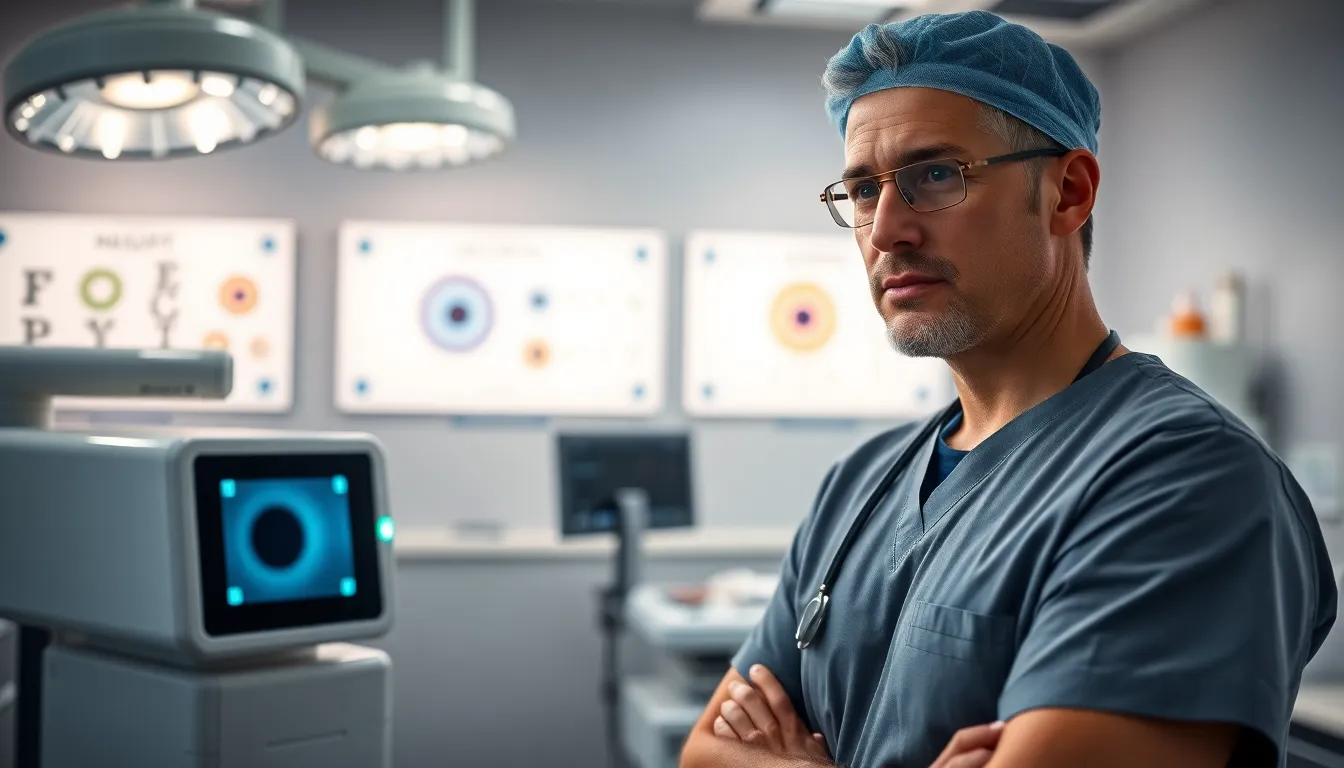
Surgeons appreciate the accuracy of femtozaćma. The laser’s precision allows for tailored corrections based on individual eye measurements. In clinical studies, the success rates for achieving 20/25 vision or better approach 95%, showcasing its effectiveness.
Consistent with experiencing high-definition vision, those who undergo femtozaćma typically enjoy an improved quality of life. Immediate visual enhancements can lead to fewer dependencies on glasses or contact lenses. Many report freedom in various activities, such as sports and travel, without the hassle of corrective eyewear.
Understanding the risks associated with any procedure is crucial. Femtozaćma’s potential side effects, while rare, include temporary visual disturbances and dry eyes. Medical professionals enable patients to weigh these risks against the benefits, ensuring informed decisions are made.
Ultimately, femtozaćma stands out in the realm of vision correction technologies. Its potential to transform lives and elevate the quality of vision continues to attract attention from experts and patients alike.
Types of Femtozaćma
Femtozaćma encompasses various types of laser procedures that utilize advanced technology for vision correction. Understanding these types helps in selecting the most suitable approach for individual needs.
Laser Technology Involved
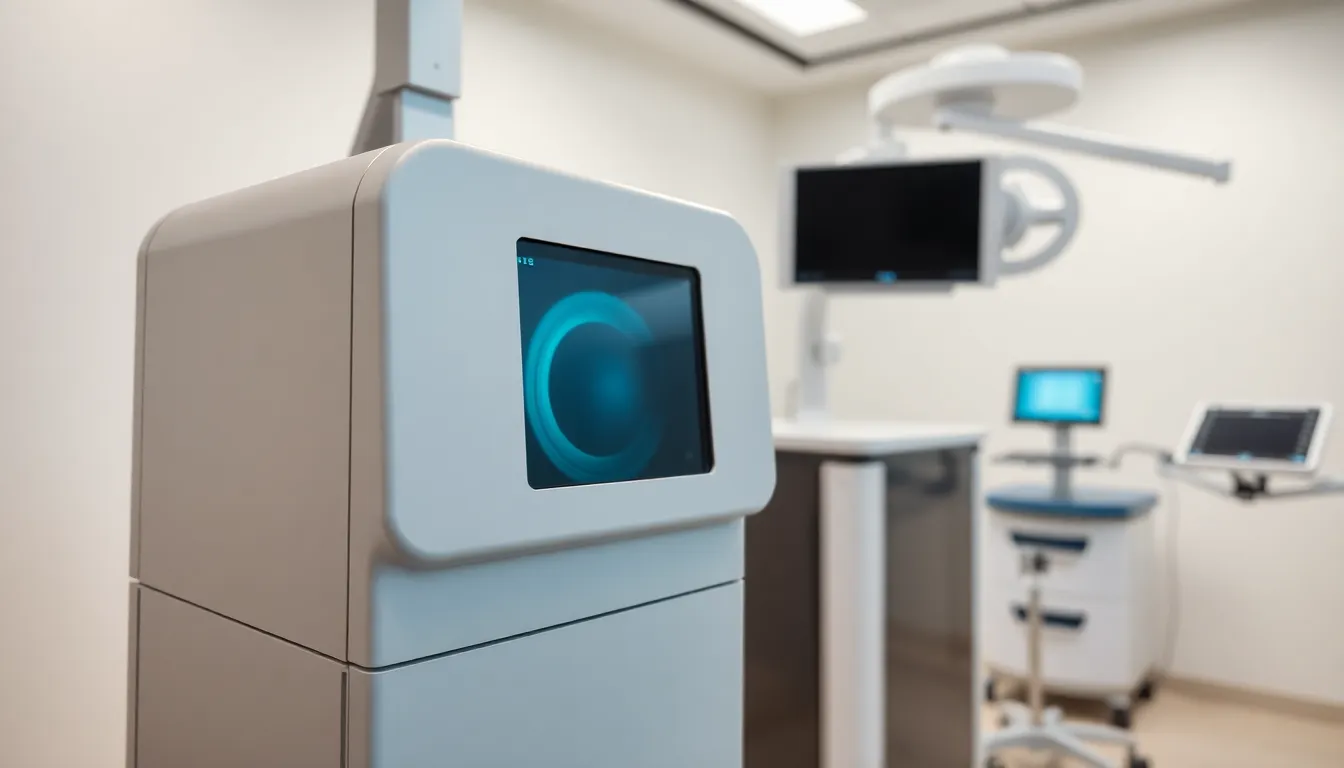
Femtosecond lasers play a crucial role in femtozaćma procedures. They produce rapid pulses of laser energy, enabling precise cuts in the cornea. This technology allows for a minimally invasive experience with enhanced accuracy. Additionally, lasers can create customized flaps, tailored to the unique topography of each patient’s eye. Surgeons leverage this precision to achieve optimal refractive outcomes, minimizing the risk of complications. The speed of femtosecond lasers contributes to reduced healing times, promoting quicker recovery for patients.
Applications in Medicine
Femtozaćma finds extensive applications within the realm of vision correction. Primarily, it addresses conditions like myopia, hyperopia, and astigmatism. Surgeons utilize this technique to reshape the cornea, enabling light to focus correctly on the retina. Patients experience significant visual improvement, often achieving 20/25 vision or better. Beyond standard corrective procedures, femtozaćma shows promise in treating specific eye diseases, including keratoconus, which affects corneal shape. Medical professionals appreciate its versatility, as it provides tailored solutions to a range of vision-related issues.
Benefits of Femtozaćma
Femtozaćma offers numerous advantages that enhance patients’ visual health and lifestyle. Key benefits include precision in the procedure and reduced recovery time.
Precision and Accuracy
Precision defines femtozaćma. This procedure employs femtosecond lasers that create exact cuts in the cornea. Accuracy during treatment leads to tailored corrections specific to individual eye characteristics. Surgeons adjust settings based on detailed measurements, ensuring optimal results for each patient. Clinical studies indicate success rates approaching 95% for achieving 20/25 vision or better. Many patients experience minimal complications due to this precision, paving the way for effective vision correction.
Reduced Recovery Time
Reduced recovery time is another significant advantage of femtożaama. Patients typically resume daily activities within a few days after the procedure. This quick recovery stems from the minimally invasive nature of femtozaćma. Unlike traditional methods, this process generates less trauma to the eye, resulting in a smoother healing experience. Most individuals notice improved vision almost immediately, which enhances their quality of life. Instead of weeks or months, they enjoy a faster return to their regular routines, experiencing greater freedom with fewer restrictions.
Potential Risks and Considerations
This section outlines the risks and considerations associated with femtozaćma, emphasizing the importance of understanding these factors before proceeding.
Side Effects
Temporary side effects may occur after undergoing femtozaćma. Common symptoms include dry eyes, glare, halos, and fluctuating vision. Patients often experience these issues in the early days following the procedure. Dry eye symptoms can persist but typically resolve over time with appropriate treatment. In rare cases, patients may encounter more severe complications, such as infections or changes in corneal thickness. Many individuals report concerns about these potential side effects, but medical professionals provide guidance on managing them effectively.
Eligibility Criteria
Certain criteria determine who can safely undergo femtozaćma. Age is a primary factor, with candidates typically required to be at least 18 years old. Individuals must also possess stable vision prescriptions for a minimum of one year. Those with specific eye conditions, such as severe dry eye or keratoconus, may not qualify. Additionally, a thorough assessment of overall eye health plays a vital role in determining eligibility. Surgeons evaluate these factors to ensure the procedure aligns with each patient’s unique needs and lifestyle.
Future of Femtozamy
Emerging advancements in femtozaćma indicate strong potential for even greater success in vision correction. Researchers focus on improving laser technology, aiming for faster procedures with enhanced precision. Customizable treatment plans may emerge, addressing unique eye characteristics more effectively.
Clinical studies predict a rise in patient satisfaction ratings as procedures advance. Incorporating artificial intelligence could revolutionize pre-operative assessments, increasing safety further. Data suggests ongoing developments could lead to significant reduction in healing times, allowing patients to resume activities sooner.
Innovations in femtozaćma also enhance its application for various eye conditions. Surgical techniques may expand to treat additional refractive errors or specific diseases like keratoconus. Surgeons are reviewing outcomes from comprehensive studies, ensuring best practices align with emerging insights and technologies.
Training programs for medical professionals will likely adapt, incorporating new insights and technologies. Continuous education ensures surgeons possess up-to-date knowledge about the latest femtozaćma advancements. These programs emphasize surgical precision, preparing practitioners to adopt innovative methods seamlessly.
Patients might gain increased access to femtozaćma as awareness grows. With improved techniques, more individuals with specific eye conditions may become eligible for treatment. Overall, femtozaćma appears poised for significant growth in effectiveness and accessibility, reshaping how vision correction is approached in the future.
Femtozaćma is revolutionizing the way individuals approach vision correction. With its advanced technology and precision, many are experiencing life-changing improvements in their eyesight. The procedure’s minimally invasive nature not only enhances safety but also allows for quicker recovery times, enabling patients to get back to their daily routines almost immediately.
As advancements continue, femtozaćma is poised for even greater success in treating a wider range of vision issues. The ongoing research and development in laser technology promise to enhance the procedure’s effectiveness and accessibility. With informed decisions and proper assessments, more people are likely to benefit from this innovative solution, paving the way for a future where clear vision is within everyone’s reach.